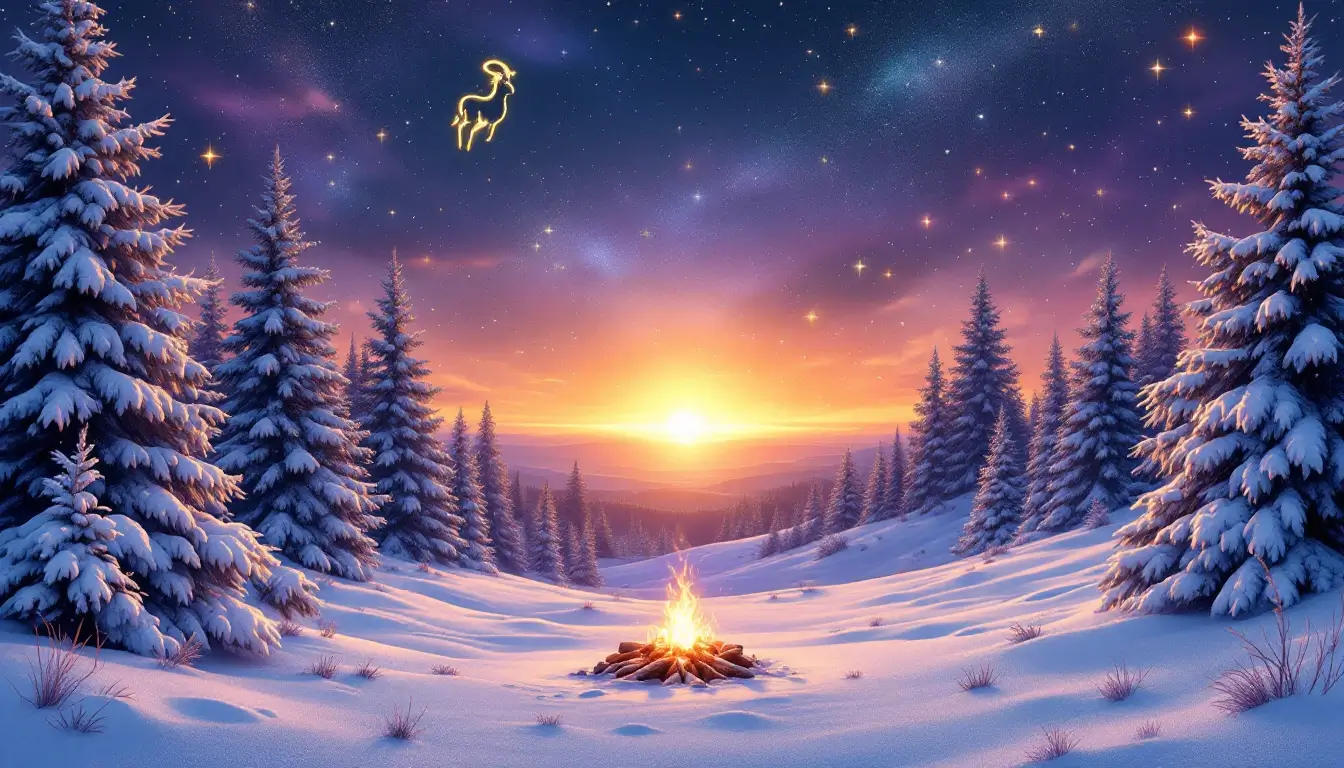
The winter solstice 2026 lands on Monday, December 21, 2026 at 3:50 PM EST (20:50 UTC) — the exact instant the Sun reaches its southernmost point in the sky and pivots back toward the light. In the Northern Hemisphere it is the shortest day and longest night of the year. In the Southern Hemisphere, it is the summer solstice — the longest day. Astrologically, this same moment is the Sun’s ingress into Capricorn, which begins Capricorn season 2026 and turns the wheel of the year toward its most reflective, structured quarter.
This year’s solstice is not just a calendar event. It arrives inside one of the most transformative astrological skies we have seen in a generation — Saturn in Aries laying down brand-new foundations, Uranus in Gemini rewiring how we communicate, Neptune newly in Aries dissolving old dreams, and Pluto steady in Aquarius reshaping collective structures. In other words: the darkest night of 2026 is also a doorway into a very different chapter. Below is your complete guide to when it happens, what it means, how to work with it, and what every zodiac sign should know.
When Does the Winter Solstice 2026 Happen? Exact Date & Time in Every Time Zone
The winter solstice is a precise astronomical moment, not a whole day. It is the instant the Sun’s apparent path reaches 0°00′ of the sign Capricorn — the point directly above the Tropic of Capricorn. For 2026, that instant is:
- UTC / GMT: Monday, December 21, 2026 at 20:50 (8:50 PM)
- New York (EST): Monday, December 21, 2026 at 3:50 PM
- Chicago (CST): Monday, December 21, 2026 at 2:50 PM
- Denver (MST): Monday, December 21, 2026 at 1:50 PM
- Los Angeles (PST): Monday, December 21, 2026 at 12:50 PM
- London (GMT): Monday, December 21, 2026 at 8:50 PM
- Paris / Berlin (CET): Monday, December 21, 2026 at 9:50 PM
- Sydney (AEDT): Tuesday, December 22, 2026 at 7:50 AM
- Tokyo (JST): Tuesday, December 22, 2026 at 5:50 AM
- Delhi (IST): Tuesday, December 22, 2026 at 2:20 AM
Notice that if you live in Australia, New Zealand, most of Asia, or the far eastern edges of the world, the solstice technically lands on Tuesday, December 22 for you — but it is the same cosmic moment. The Sun does not know about time zones. It simply crosses the celestial threshold and, in that instant, winter begins in the north and summer begins in the south.
Is the Winter Solstice Always on December 21?
No. The solstice usually falls on December 21 or 22, and very rarely on December 20 or 23. This shifts because the Earth’s orbit is 365.24 days long while our calendar is a tidy 365 (or 366 in leap years). Over decades, the true solstice moment drifts by hours, and every four years a leap day pulls it back into line. For most of the 21st century, December 21 is the most common date — and 2026 follows that pattern.
Why 20:50 UTC Matters (Even If You Can’t Feel It)
You will not see anything different at 20:50 UTC. The Sun does not visibly stop, flash, or flip. What changes is subtle and cumulative. From this moment forward, days in the Northern Hemisphere begin to lengthen — by seconds at first, then by full minutes each day. It is the astronomical tipping point from darkness gaining ground to light returning. Traditions around the world set their solstice fires, feasts, and vigils around this exact instant for precisely that reason: it is the pivot.
The Astrological Meaning of the Winter Solstice: The Sun Enters Capricorn
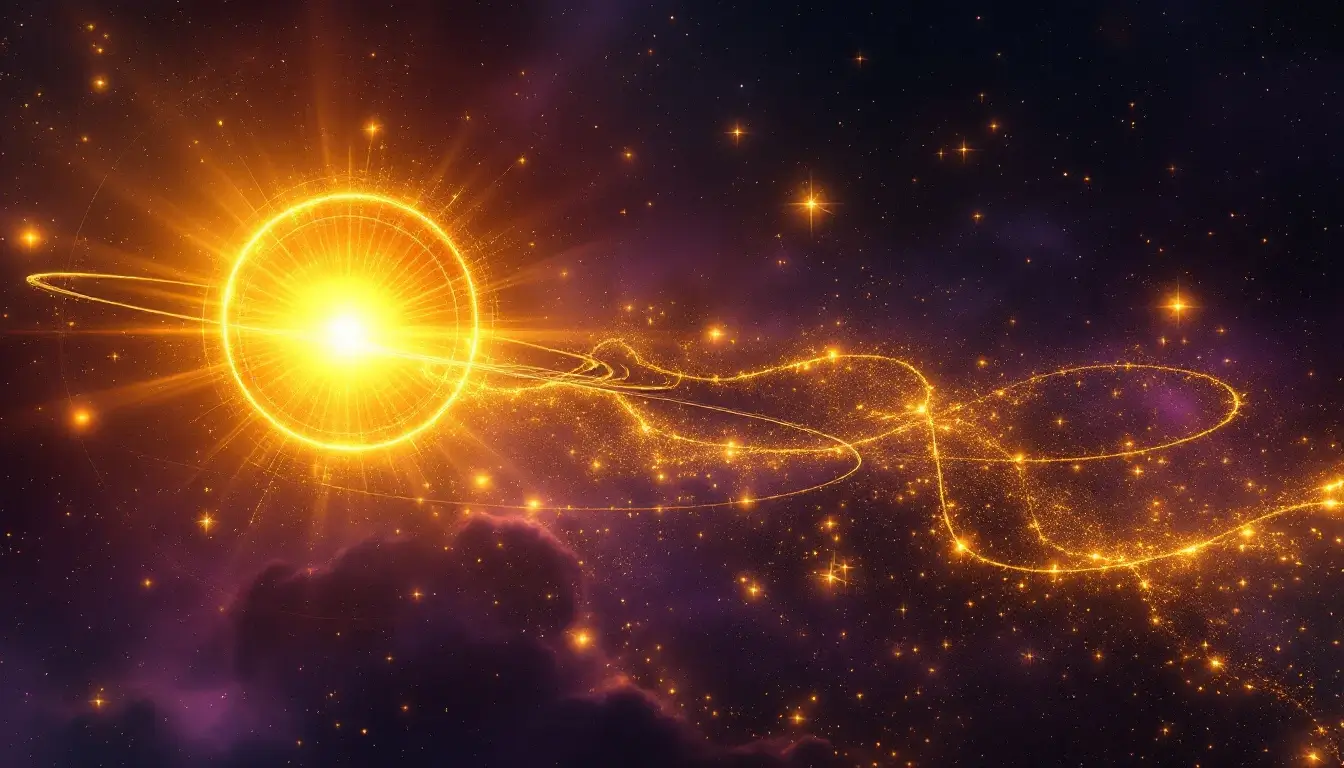
To astrologers, the winter solstice is not just an astronomical event — it is the beginning of one of the four cardinal seasons of the zodiac. As the Sun crosses 0° Capricorn, it activates the sign of the Sea-Goat: ruled by Saturn, ruler of the tenth house, and the archetypal sign of structure, mastery, elders, mountains, and long roads.
Capricorn energy is famously misread as cold or purely ambitious. That is only its surface. Under the ambition is a very ancient impulse: to build something that outlasts you. Bridges. Institutions. Family lines. Reputations. Real skill. The winter solstice initiates the season where the cosmos itself echoes that impulse — the outer world quiets, the inner world sharpens, and the invitation is to ask, what am I actually building with my life?
Why the Cardinal Ingress Is So Powerful
In traditional astrology, the four cardinal ingresses — the Sun entering Aries, Cancer, Libra, and Capricorn — mark the four “hinges” of the year. Ancient astrologers cast a chart for each ingress and read it as a forecast for the next three months. The winter solstice chart is called the Capricorn ingress, and it is considered one of the most important charts of the entire year because it sets the tone for the deepest, quietest, most inward quarter.
What the 2026 Solstice Chart Actually Says
Cast the chart for December 21, 2026 at 20:50 UTC and the sky is unusually charged. Saturn — Capricorn’s own planet — is fresh in Aries, still forging brand-new personal foundations after leaving Pisces in 2025. Uranus is in early Gemini, rewiring how we think and talk. Neptune is barely into Aries, dissolving the last of an old identity so a new one can form. Jupiter, retrograde in Leo, is asking us to internalize the growth we chased earlier in the year. Pluto in Aquarius continues its slow work of dismantling and rebuilding society itself.
The message of this particular solstice is not “hunker down and wait for spring.” It is consolidate. Take the wild, expansive lessons of 2026 and pour them into a solid form. Winter is when you set the mould that spring’s growth will flow into.
Ancient Traditions of the Winter Solstice: Yule, Saturnalia, Dongzhi & the Return of the Light
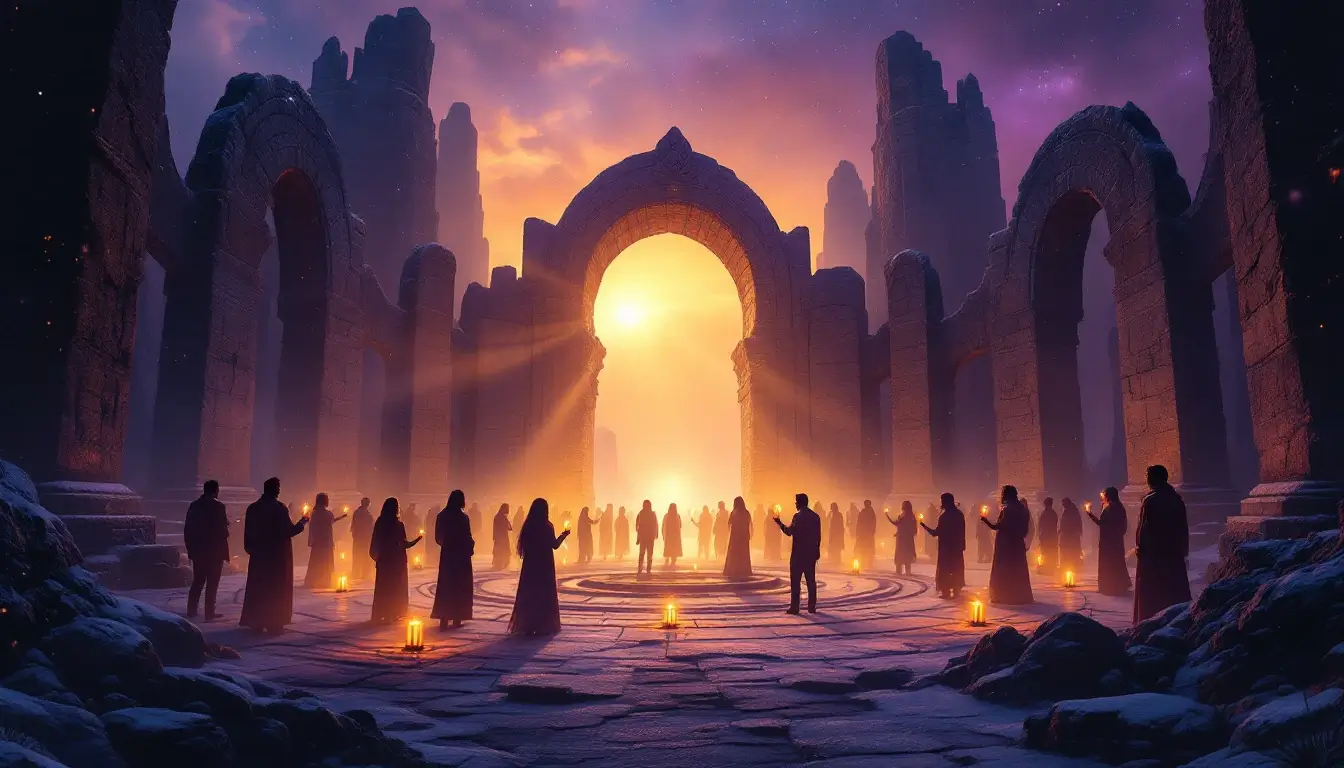
Every culture that watched the sky noticed the same thing: on one specific night of the year, the darkness peaks — and then the light comes back. That single observation gave rise to some of the oldest and most beautiful rituals humanity has ever created.
- Yule (Northern Europe): The Norse and Germanic peoples burned a great oak log through the longest night, believing its light would coax the Sun back. The Yule log, Yule wreath, and the twelve days of Yuletide are all pre-Christian solstice traditions that were later folded into Christmas.
- Saturnalia (Ancient Rome): A wild, week-long festival honoring Saturn — the very planet that rules Capricorn. Roles reversed, gifts were exchanged, feasts overflowed, and social hierarchies dissolved for a few sacred days. Many modern Christmas customs — gift-giving, feasting, decorative greenery — trace directly back to Saturnalia.
- Dongzhi (East Asia): In Chinese, Korean, and Vietnamese cultures, Dongzhi (“winter’s extreme”) is a family-first festival celebrating the return of yang energy. Tang yuan (glutinous rice balls) are eaten to symbolize reunion and roundness.
- Newgrange & Stonehenge: These 5,000-year-old megalithic monuments in Ireland and England were engineered so that sunlight on the solstice morning would pierce their innermost chambers. Whoever built them was tracking this exact moment thousands of years before we had calendars.
- Inti Raymi Reversed (Andes): In the Southern Hemisphere, December marks the summer solstice, and Indigenous Andean cultures honored the Sun at its peak strength.
The unifying thread across every one of these traditions is faith in the pivot — a communal acknowledgment that even when the night is longest, the light is already turning back toward us. That is the emotional truth of the winter solstice: hope in the middle of the dark.
Winter Solstice 2026 for Every Zodiac Sign: A Mini Forecast
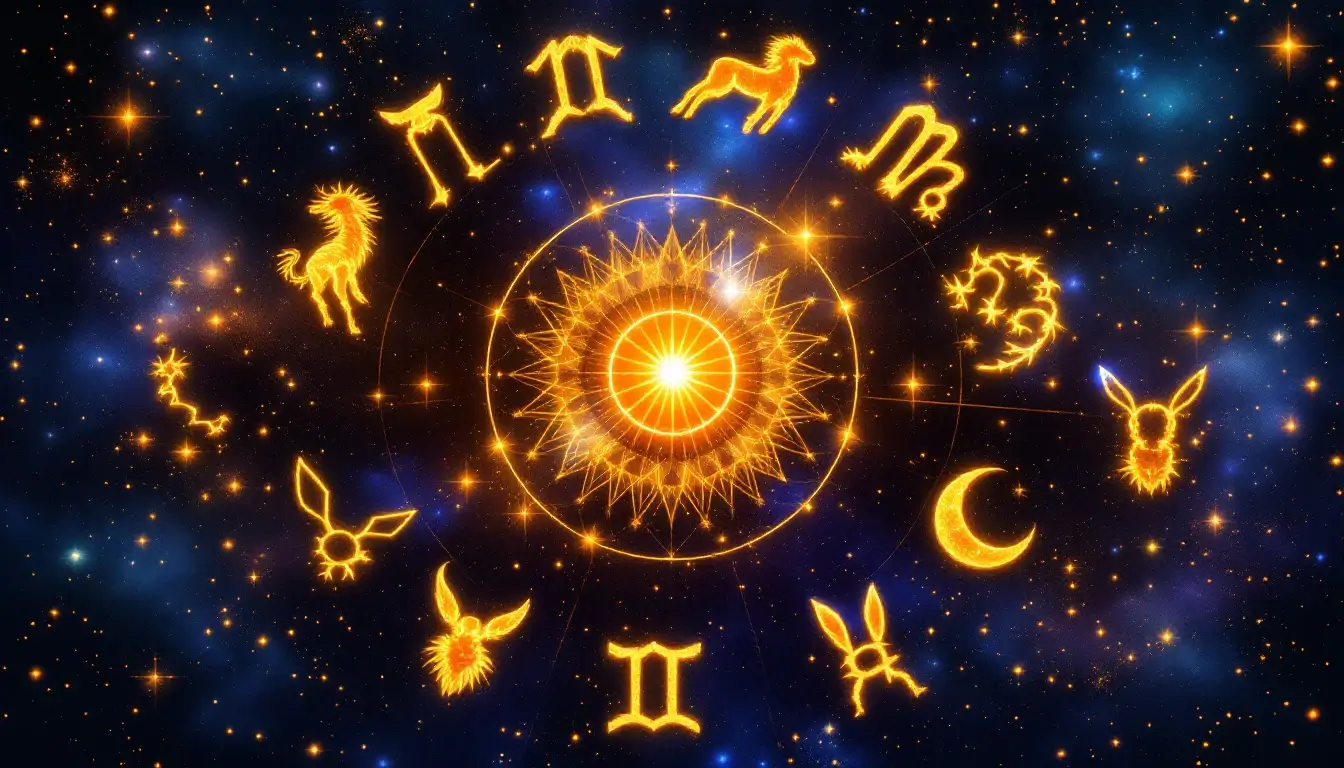
Because the winter solstice is a cardinal ingress, it activates specific houses in every chart. Below is a quick read of what the December 21, 2026 solstice is asking of each sign. Read your Sun sign, but also your rising sign for the most accurate placement — your rising sign is what determines which houses the solstice actually lights up.
- Aries: The solstice hits your career and public-life sector. This is your quarter to consolidate reputation. Ask: what do I want to be known for in 2027?
- Taurus: Big picture, long journeys, higher learning, and belief systems come into focus. Something you have been studying quietly is ready to become the foundation of your next chapter.
- Gemini: Intimacy, shared resources, and psychological depth are the season’s theme. A quiet financial or emotional restructuring is called for.
- Cancer: Partnership, contracts, and one-on-one relationships take center stage. This is a “define the relationship” quarter — romantic, business, or creative.
- Leo: The solstice activates work, health, and daily routines. With Jupiter retrograde in your sign, this is the season to internalize this year’s growth into sustainable habits.
- Virgo: Creativity, romance, and joy are highlighted. After a year of showing up for everyone else, the solstice invites you back to what actually makes you feel alive.
- Libra: Home, family, and inner foundations come into focus. Something ancestral or deeply private is asking to be tended.
- Scorpio: Communication, siblings, short trips, and local networks light up. Words you speak this quarter will carry unusual weight — use them intentionally.
- Sagittarius: Money, self-worth, and material resources are the theme. The solstice invites you to consolidate what you earned in your birthday season.
- Capricorn: This is your season and your ingress. The solstice is a personal cosmic reset. Whatever you set in motion in the next 30 days becomes the tone of your entire year ahead. Speaking of embracing your Capricorn energy this season — our Cute Capricorn Girl Constellation T-Shirt is a warm, celestial way to wear your sign as you step into your birthday chapter.
- Aquarius: The twelfth house of rest, dreams, and integration is activated. Sleep more. Journal more. Let something old finally end so a new cycle can begin at your birthday.
- Pisces: Friends, community, and long-term visions are highlighted. The people you gather with this solstice may shape the next several years of your life.
5 Winter Solstice Rituals to Anchor the Light for 2027

You do not need to be a witch, a Wiccan, a druid, or a member of any tradition to honor the solstice. All you need is a few quiet minutes and the intention to mark the moment. Try one — or all five — of these gentle rituals on the evening of December 21, 2026.
1. The Candle Vigil
At sundown on December 21, light a single candle. Set no timer. Sit with it and let yourself think about the year that is closing. What is ending? What are you grateful for? What still hurts? Let the candle burn until it burns itself out or until you feel finished. This is one of the oldest solstice practices on Earth and requires nothing else.
2. The Release & Return Journal
Take two pages in a journal. On the first page, write everything you are releasing at the end of 2026 — resentments, roles that no longer fit, fears you are tired of carrying. On the second page, write what you are inviting into 2027. Keep the second page. Consider safely burning the first (a fireplace or fireproof bowl works). The physical act of release matters more than the words themselves.
3. The Solstice Bath (Water + Salt + Moonlight)
Draw a warm bath and add a handful of sea salt or Epsom salt. If you have herbs like rosemary or bay leaf, add them. Light candles instead of overhead lighting. Soak for at least 20 minutes and let yourself imagine everything heavy of this year rinsing off your skin. Water is a natural conductor of intention.
4. The Ancestor Feast
Set an extra place at your solstice dinner for someone you have loved and lost. Serve their favorite food. Light a candle at their setting. This is a Dongzhi and Yule practice that reminds us we are held by everyone who ever loved us — and the solstice is one of the thinnest nights of the year for that kind of quiet communion.
5. The Sunrise Watch
If you can, wake before dawn on December 22 — the first sunrise after the solstice — and watch the Sun return. Even from a window, in silence, this is one of the most viscerally healing things you can do at the darkest turn of the year. You are literally watching hope rise.
Small rituals compound. A candle, a bath, a page in a notebook — these are not superstition. They are how humans have moved through this exact night for at least 5,000 years, and they still work because we are still the same creatures who need to mark the pivot to feel it.

Toast the Return of the Light
Our Laser Engraved Capricorn Wineglass is the perfect keepsake for solstice night — a beautifully etched Capricorn glyph on 15oz of hand-finished glass. Raise it to the pivot, keep it forever.
Winter Solstice 2026 FAQ: The Questions Everyone Asks
Is the winter solstice the shortest day of the year?
Yes — in the Northern Hemisphere. December 21, 2026 will be the shortest daylight period of the year everywhere north of the equator. In the Southern Hemisphere it is the opposite: the longest day and shortest night. This is because Earth is tilted on its axis at 23.5°, and on the solstice the North Pole is tilted its maximum distance away from the Sun.
Why doesn’t the earliest sunset happen on the solstice?
Here is a fact almost no one knows: in most of the continental United States, the earliest sunset of the year happens about two weeks before the solstice, and the latest sunrise happens about two weeks after. The solstice is the shortest total day (least combined daylight), but sunrise and sunset drift out of sync with each other. This is due to a quirk of Earth’s elliptical orbit called the “equation of time.” So if it feels like sunset has already been creeping later by December 21 — that is real.
What is the difference between the winter solstice and Christmas?
The winter solstice is an astronomical event fixed by Earth’s tilt — it always falls near December 21. Christmas is a religious holiday set by human calendar to December 25. However, historians widely agree that the Christmas date was chosen in the fourth century because of solstice-adjacent Roman festivals like Sol Invictus and Saturnalia. Many Christmas traditions — evergreen trees, Yule logs, gift-giving, feasting, candles — are direct inheritances from far older solstice practices.
How is the winter solstice different from the equinox?
The solstices (December and June) are when the Sun reaches its most northern or southern point. The equinoxes (March and September) are when the Sun crosses the celestial equator and day and night are roughly equal in length. Solstices mark the extremes; equinoxes mark the balance points. Together they form the four cardinal moments of the year and, in astrology, the four cardinal ingresses (Sun into Aries, Cancer, Libra, Capricorn).
Does the winter solstice affect me spiritually?
Whether you notice it or not, yes. Circadian rhythms, mood, energy levels, and dream cycles all respond to daylight length — that is not mysticism, it is biology. On top of that, astrologically the Sun’s ingress into Capricorn shifts the collective focus toward structure, endings, and long-view thinking. Many people report vivid dreams, unusual clarity about what needs to change in their life, and a deep pull toward rest during the week of the solstice. That is the season doing its work.
What should I NOT do on the winter solstice?
Do not force. This is not a season for launching, striving, or grinding — Capricorn’s ambition is strategic, not frantic. Avoid making impulsive commitments or big public declarations on the solstice itself; the energy is inward, private, and reflective. Save the launches for the new moon in Capricorn or the following spring. Use the solstice for planning, releasing, and quietly seeding intentions.
Can I combine the winter solstice with other rituals like New Year’s or Christmas?
Absolutely — and many people already do. The solstice, Christmas, and New Year’s Eve are all within ten days of each other, and each marks a different flavor of the same underlying pivot: from the old cycle into the new. Consider treating the solstice as your private, reflective ritual, Christmas as your relational one, and New Year’s as your outward-facing intention-setting. They stack beautifully.
Final Thoughts: The Real Gift of the Longest Night
The winter solstice is the one moment every year when the entire natural world agrees: rest, reflect, restart. The sun pauses. The trees have already let go. The Earth exhales. And for one long night, the whole hemisphere is invited into the same quiet.
What makes 2026’s solstice different is the sky it arrives inside. With Saturn breaking new ground in Aries, Neptune newly reshaping identity, Uranus rewiring how we think, and Pluto still transforming society itself, this is not a solstice to sleep through. It is a solstice to listen at — because the next chapter of the collective story is being drafted in the dark, and each of us gets a page.
You do not have to do anything dramatic. Light a candle. Write a letter to who you are becoming. Watch the sunrise on December 22. Trust that the light is already turning back — and that whatever you plant in the quiet of this longest night has 12 months of returning sun to grow into. For deeper year-ahead insight, pair this solstice with our full 2026 horoscope guide and the 2026 Mercury retrograde dates, and if you want to see how this solstice contrasts with its counterpart six months out, revisit our Summer Solstice 2026 guide.
The wheel is turning. The light is on its way. See you on the other side.

Your Stars, Your Inbox
Get weekly horoscope insights, cosmic guidance, and exclusive offers delivered straight to your inbox. Join our community of star-seekers today.