
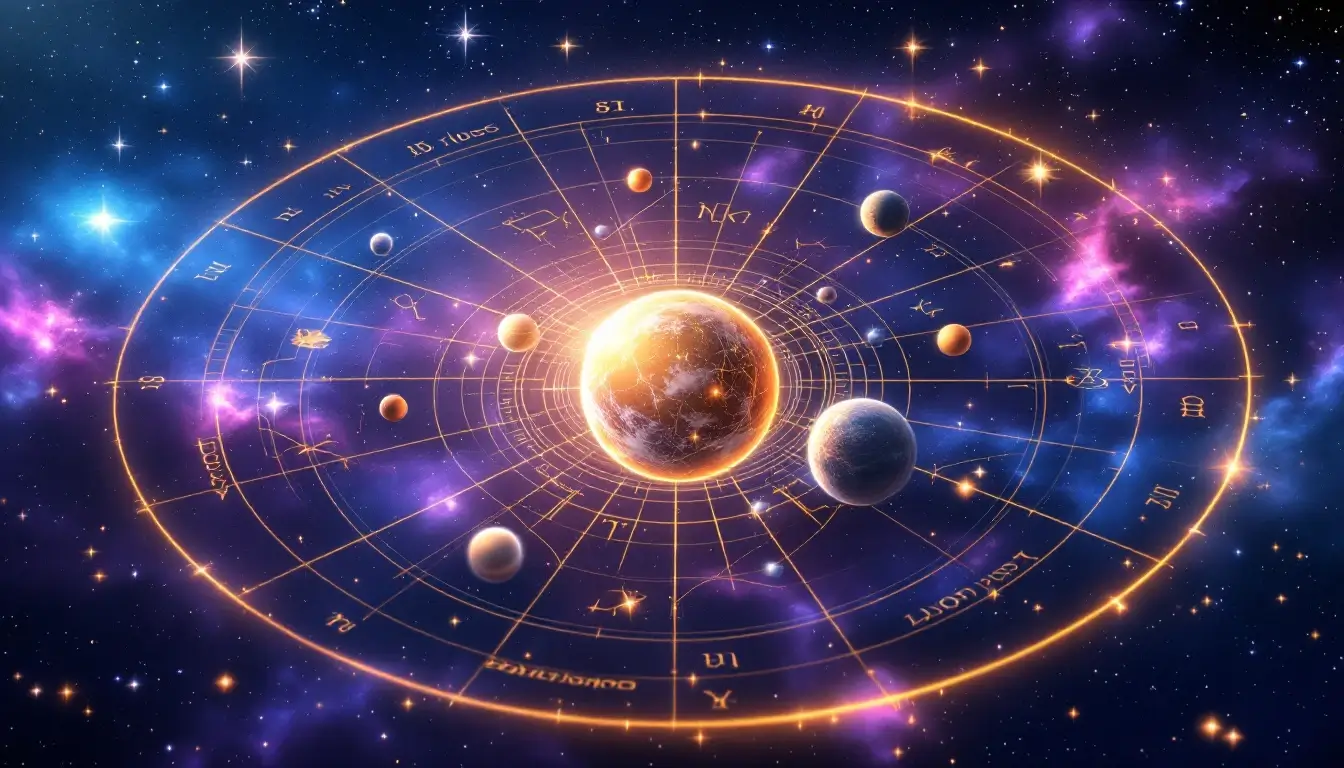
You’ve probably seen it mentioned everywhere — in astrology apps, Instagram bios, conversations about “your big three” — but what is a birth chart, exactly? If you’ve ever felt like you were missing a cosmic key that everyone else seemed to have, this guide is for you. A birth chart is one of the most fascinating and revealing tools in all of astrology, and once you understand what it is and how to read it, you’ll never look at your life the same way again.
In this complete guide, we’ll break down what a birth chart is, what every major element means, and how to start reading your own natal chart — even if you’ve never studied astrology a day in your life. By the end, you’ll understand why astrologers say your birth chart is less like a prediction and more like a map of your soul’s potential.
What Is a Birth Chart? The Simple, No-Jargon Answer
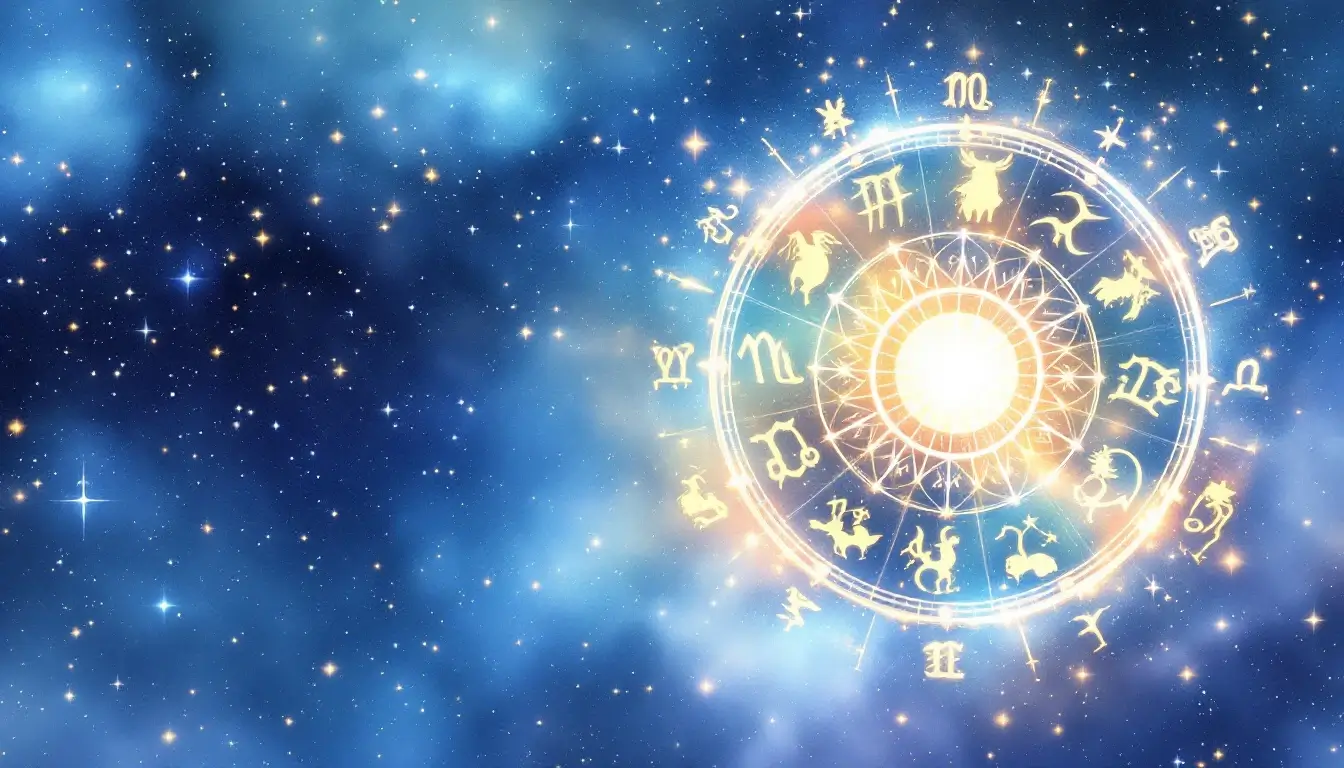
A birth chart — also called a natal chart — is a snapshot of the sky at the exact moment you were born. Imagine the solar system as a giant clock, with the planets constantly moving through the twelve signs of the zodiac. At the precise second you took your first breath, all those planets were in specific positions. Your birth chart captures that cosmic photograph.
To generate your birth chart, you need three pieces of information:
- Date of birth — the day, month, and year
- Time of birth — as precise as possible (check your birth certificate)
- Place of birth — the city and country
The time and location are crucial because they determine your rising sign (also called your ascendant), which changes every two hours as the Earth rotates. Two people born on the same day in different cities, or at different times, will have very different birth charts — even if they share the same Sun sign.
What does a birth chart look like? It’s typically displayed as a circular wheel divided into twelve slices (the twelve houses), with symbols for the planets placed around the wheel according to where they were in the sky at your birth. At first glance it can look like a complex mandala. But once you learn the language, every symbol tells a story about you.
The birth chart doesn’t tell you what will happen to you. It shows you who you are and what energies you came into this life carrying — your gifts, your challenges, your deepest drives.
The Big Three: Your Sun, Moon, and Rising Sign Explained
If you’ve spent any time in astrology circles, you’ve heard about “the big three.” These are the three most personally significant placements in your birth chart, and understanding them is the best starting point for any beginner.
Your Sun Sign: The Core of Who You Are
Your Sun sign is what most people mean when they say “I’m a Virgo” or “I’m a Scorpio.” It’s determined by where the Sun was in the zodiac on your birthday. The Sun moves through one sign approximately every 30 days, spending roughly a month in each.
Your Sun sign represents your core identity — your conscious self, your ego, your life force, and the essence of who you’re becoming. It’s the sign you’re meant to embody and grow into. Think of it as the main character you’re playing in this lifetime.
Your Moon Sign: Your Emotional Inner World
While your Sun sign is your outer self, your Moon sign is your inner world — your emotions, your instincts, your gut reactions, and what makes you feel safe and nurtured. The Moon moves quickly through the zodiac, changing signs every 2.5 days, which is why two people born on the same day can have very different Moon signs.
When you’re reacting emotionally to something — when you’re stressed, when you need comfort, when your heart is full — that’s your Moon sign in action. Many astrologers say your Moon sign is just as important as your Sun sign, if not more so, for understanding your inner emotional landscape.
Your Rising Sign (Ascendant): How the World Sees You
Your rising sign — or ascendant — is the zodiac sign that was rising on the eastern horizon at the exact moment of your birth. This changes every two hours, which is why birth time matters so much. Your rising sign is the mask you wear, the energy you project into the world, and how others perceive you when they first meet you.
It also determines the layout of your entire birth chart — which signs rule which houses, and where all your planets fall. This is why two Virgo Suns can have such radically different chart structures and life experiences. If you want to go deeper into what your rising sign means for you, our guide to Virgo rising traits and your complete guide to the Virgo ascendant is a great place to start.
The Twelve Houses: Where Your Life Story Unfolds
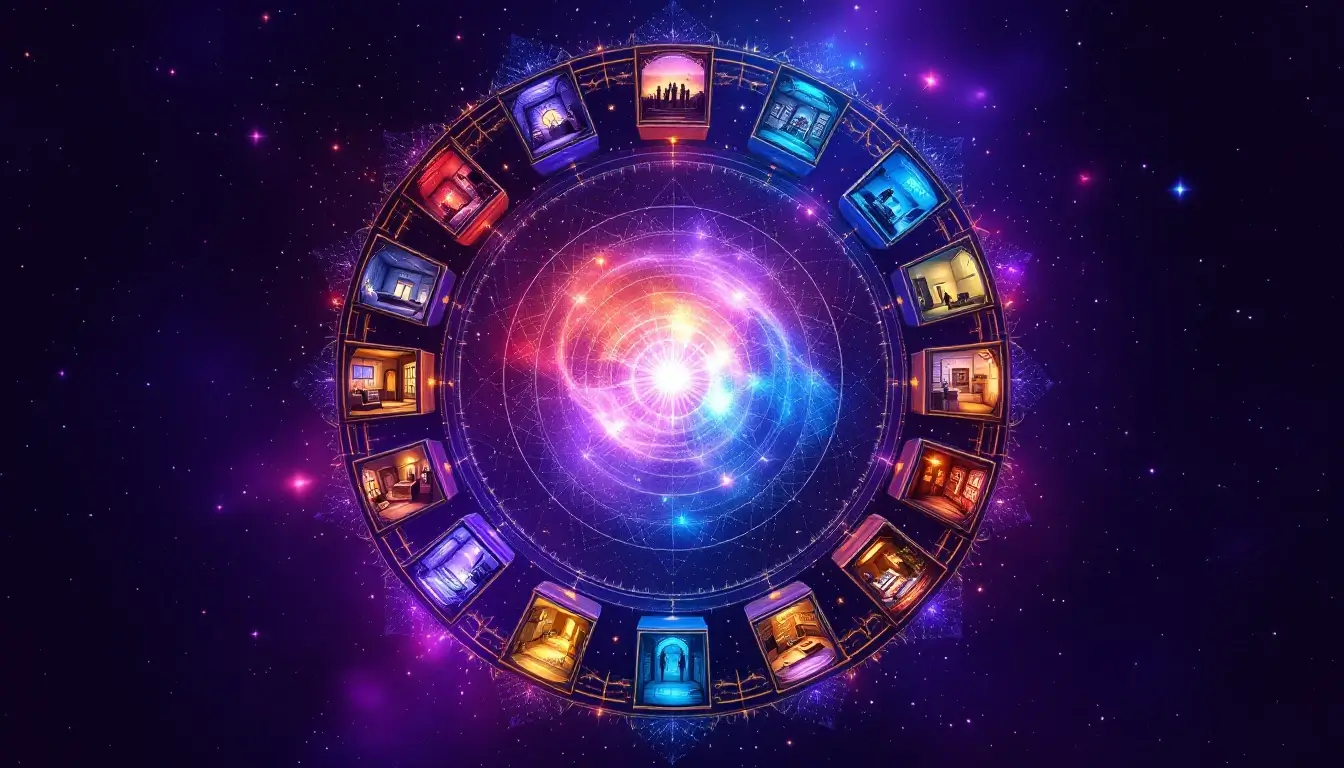
The twelve houses of the birth chart are like twelve rooms in the house of your life. Each house governs a different area of lived experience. When a planet sits in a particular house in your chart, it means that planet’s energy is especially active in that area of your life.
Here’s a quick overview of what each house governs:
- 1st House (The Self): Your personality, appearance, first impressions, and how you approach life
- 2nd House (Resources): Money, possessions, self-worth, and what you value
- 3rd House (Communication): Thinking, writing, speaking, siblings, and short trips
- 4th House (Home): Family, roots, ancestry, home life, and your emotional foundation
- 5th House (Joy): Creativity, romance, children, play, and self-expression
- 6th House (Health & Daily Life): Work routines, health habits, service, and pets
- 7th House (Partnerships): Marriage, committed relationships, business partners, and open enemies
- 8th House (Transformation): Death, rebirth, shared resources, sexuality, and the occult
- 9th House (Expansion): Travel, higher education, philosophy, religion, and worldview
- 10th House (Career & Reputation): Public life, career, authority figures, and legacy
- 11th House (Community): Friendships, groups, aspirations, social causes, and the future
- 12th House (The Hidden): Spirituality, karma, unconscious patterns, and what’s hidden
The house system can feel complex at first, but think of it this way: if Venus (the planet of love and beauty) sits in your 10th house of career, you might attract success through creative or aesthetic work, or find that your professional reputation has a charming, people-pleasing quality. If Saturn (the planet of discipline and lessons) sits in your 7th house of relationships, your greatest growth may come through the trials and responsibilities of committed partnerships.
Planets in Your Chart: The Cosmic Players and What They Govern
The planets in your birth chart are the actors — each one has a distinct personality and energy, and wherever they sit in your chart tells you where that energy plays out in your life.
The Personal Planets (Fast-Moving, Deeply Personal)
- Sun ☉ — Core identity, ego, life purpose, vitality
- Moon ☽ — Emotions, instincts, mother, inner needs
- Mercury ☿ — Communication, thinking, learning, travel
- Venus ♀ — Love, beauty, aesthetics, money, values
- Mars ♂ — Drive, desire, action, anger, sexuality
The Social Planets (Medium-Paced, Generational Influence)
- Jupiter ♃ — Expansion, luck, abundance, wisdom, philosophy
- Saturn ♄ — Discipline, structure, responsibility, karma, lessons
The Outer Planets (Slow-Moving, Generational)
- Uranus ♅ — Revolution, innovation, sudden change, liberation
- Neptune ♆ — Spirituality, dreams, illusion, imagination, dissolution
- Pluto ♇ — Power, transformation, death and rebirth, the underworld
The outer planets (Uranus, Neptune, Pluto) move so slowly that entire generations share the same sign placement. What makes them personal in your chart is the house they fall in — that’s where their generational energy is expressed in your individual life.
Saturn deserves a special mention here, because its placement in your chart is one of the most important for understanding your life’s biggest growth opportunities. In fact, many astrologers believe that wherever Saturn sits is where you’re being pushed to grow and master something over a lifetime. If you’ve heard of the Saturn return — the powerful cosmic reset that happens every 29 years — understanding Saturn’s house and sign placement in your natal chart is the key to unlocking what that transit means specifically for you.
How to Read Your Birth Chart for the First Time
Opening your birth chart for the first time can be overwhelming. There are symbols, lines, numbers, and a wheel divided into sections — it can feel like looking at a foreign language. Here’s a simple step-by-step approach to make sense of it all.
Step 1: Find Your Big Three First
Start with your Sun, Moon, and rising sign. Your Sun sign is usually labeled clearly. Your Moon sign will be marked with the Moon symbol (☽). Your rising sign is the sign on the cusp of the 1st house — the leftmost point of the wheel.
Step 2: Look at What Signs and Houses Have the Most Planets
Are multiple planets clustered in one sign? That’s called a stellium, and it means that sign’s energy is exceptionally strong in your chart. Are multiple planets in one house? That area of life is particularly emphasized for you.
Step 3: Notice Any Planets in Prominent Positions
Planets sitting near the angles of the chart (the 1st, 4th, 7th, and 10th house cusps) have extra power. A planet near your Midheaven (10th house cusp) is especially visible in your public life and career. A planet near your Ascendant (1st house cusp) colors your entire personality and appearance.
Step 4: Read the Aspects
The lines drawn across the center of the chart connect planets that are in significant geometric relationships to each other — these are called aspects. Trines (120°) and sextiles (60°) are generally harmonious. Squares (90°) and oppositions (180°) represent tension and challenge. Conjunctions (0°) amplify and merge the energies of the planets involved.
Step 5: Take It One Placement at a Time
You don’t need to understand your entire chart in one sitting. Start with your Big Three, then explore one new placement at a time. Every new piece adds nuance and depth to your self-understanding. Many people find they spend years diving deeper into their natal chart — and there’s always more to discover.
We’re in Virgo season right now (August 23 through September 22), which is actually a beautiful time to study your birth chart. Virgo energy loves analysis, discernment, and the deep satisfaction of understanding systems in detail. Whether you’re a Virgo Sun or not, the current cosmic climate supports this kind of careful, methodical self-study. And if you want to understand what it means to have your rising sign in Virgo specifically, check out our deep-dive on Virgo rising and the Virgo ascendant — it’s one of the most distinctive and fascinating rising signs in the zodiac.
What Your Birth Chart Reveals About Love, Career, and Purpose
One of the most compelling reasons people dive into their birth chart is to understand the bigger themes in their lives — why love comes easily in some ways but feels complicated in others, why certain career paths light them up while others drain them, and what their overall purpose might be.
Love and Relationships in the Birth Chart
Your 7th house and the sign on its cusp reveal a lot about the kind of partner you’re naturally drawn to and what you need in committed relationships. Venus’s placement (sign and house) shows your love language, what you find beautiful, and how you express affection. Your Moon sign reveals your emotional needs in relationship — what makes you feel truly loved and secure.
For example, if you have Venus in Scorpio, you love deeply and intensely, and you need emotional depth and loyalty above all else. If your 7th house is ruled by Gemini, you might need intellectual stimulation and variety in partnerships. Astrology doesn’t tell you who to love — but it can give you profound insight into how you love and what helps you thrive in partnership.
Career and Life Purpose
Your 10th house (the Midheaven) and its ruling planet speak directly to your public role, professional calling, and how the world sees your contribution. Your 6th house governs daily work — the kind of environment and tasks that keep you energized or drain you. And your North Node — a mathematical point in the chart, not a planet — is widely considered to represent your soul’s evolutionary direction in this lifetime.
Many astrologers say the North Node points to the experiences and qualities you’re here to develop, even if they feel uncomfortable or unfamiliar. Your South Node (directly opposite the North Node) represents your past-life or innate comfort zone — where you’re gifted but where you can also get stuck if you over-rely on it.
Life Themes and Recurring Patterns
Perhaps most powerfully, a birth chart can illuminate recurring patterns in your life — the themes that keep showing up no matter what you do. Certain aspects (especially those involving Saturn, Pluto, or the Nodes) speak to the deep, karmic work of this lifetime. Understanding these patterns doesn’t lock you into them — it gives you the clarity and self-awareness to work with your chart’s energies rather than being unconsciously pushed around by them.
We’re deep in Virgo season right now, and if you’ve been feeling called to organize, analyze, and improve your life systems — that’s the cosmic invitation of this season. Our complete guide to Virgo traits and characteristics can help you understand the Virgo archetype more deeply, whether it’s prominent in your own chart or not.
Speaking of embracing your cosmic identity, our Cute Virgo Horoscope Girl T-Shirt is a stunning way to wear your sign with pride during this Virgo season — and it makes a perfect gift for the detail-loving Virgo in your life.

Wear Your Sign With Cosmic Pride
It’s Virgo season — and our Cute Virgo Horoscope Girl T-Shirt is the perfect way to celebrate the maiden sign. Beautifully designed, astrology-lover approved, and available in your size.
Birth Chart FAQs: Your Most Burning Questions Answered
Is a birth chart the same as a horoscope?
No — these are two different things, although they’re related. Your birth chart (or natal chart) is a fixed snapshot of the sky at the moment of your birth. It’s uniquely yours and doesn’t change. A horoscope is a forecast — it’s written for a Sun sign and based on how the current planetary movements are interacting with that sign’s general energy. Your birth chart is far more personal and detailed than a Sun-sign horoscope.
Do I need my exact birth time for a birth chart?
Your birth time is important because it determines your rising sign, which changes every two hours, and it sets the layout of your house system. Without an exact birth time, you can still get a lot of valuable information from your birth chart — your Sun, Moon (as long as it didn’t change signs that day), and all the outer planet placements will still be accurate. But for the fullest, most accurate picture, it’s worth checking your birth certificate or asking a family member.
Can my birth chart change?
Your natal birth chart is fixed — it never changes. However, astrologers use techniques like transits (current planets moving over your natal chart), progressions (a symbolic system of chart evolution), and solar returns (a chart cast for your birthday each year) to understand how the themes of your natal chart are being activated at different points in your life. So while the chart itself stays constant, the conversation between your chart and the current sky is always evolving.
What if I have a lot of planets in one sign or house?
Multiple planets in one sign or house (called a stellium) means that area of life or that sign’s energy is exceptionally concentrated and powerful in your chart. This can manifest as great gifts and strengths in that area — but also as challenges, since the energy can feel overwhelming or one-dimensional if you’re not conscious of it. A stellium is one of the most significant features of a birth chart and worth understanding deeply.
What are the most important things to look at first in a birth chart?
Start with the Big Three (Sun, Moon, rising), then look at which house your Sun sits in, where the chart ruler (ruler of your rising sign) is placed, and whether any planets are near the angles (1st, 4th, 7th, 10th house cusps). These placements will give you the most immediate and personal insights. From there, you can expand to explore individual planets, aspects, and more specialized points like the North Node and Chiron.
Is astrology scientific?
Astrology is not a science in the empirical sense — it hasn’t been validated through controlled double-blind studies. But it is a sophisticated symbolic system that has been used for thousands of years across many cultures to understand human psychology, timing, and the relationship between the cosmos and individual experience. Many people find that their birth chart describes them with uncanny accuracy. Whether you approach it as a spiritual practice, a psychological tool, or simply a fascinating framework for self-reflection, the insights it offers can be genuinely valuable.
Final Thoughts: Your Birth Chart Is a Map, Not a Destiny
A birth chart is one of the most powerful tools for self-understanding available to us. It shows the energies, gifts, challenges, and themes you came into this world carrying — but it doesn’t determine your future. You always have free will. Your chart is a map, and you are the traveler who decides where to go.
The beauty of astrology is that it offers a language for understanding yourself — your drives, your fears, your patterns, and your potential — in a way that feels both personal and cosmic. When you learn to read your birth chart, you stop asking “why am I like this?” with frustration and start asking it with curiosity and even love. Because every placement in your chart, even the difficult ones, is there to help you grow.
Whether you’re completely new to astrology or you’ve been circling this topic for a while, there’s no better time to dive in than now. Generate your free birth chart, find your Big Three, and start the fascinating conversation between you and the cosmos that your chart has been waiting to have with you all along.

Your Stars, Your Inbox
Get weekly horoscope insights, cosmic guidance, and exclusive offers delivered straight to your inbox. Join our community of star-seekers today.


